If you want Bluetooth headphones to enter the Japanese market, TELEC certification is an unavoidable threshold. As a mandatory certification stipulated in Japan's Radio Law, it is similar to the domestic SRRC certification and is supervised by the Ministry of Internal Affairs and Communications (MIC). The GITEKI technical standard suitability certificate is issued by institutions such as TELEC. Uncertified products not only cannot be listed on platforms like Amazon, but may also face recalls and fines.
The first step in certification is the preparation of materials. Technical documents in English or Japanese need to be submitted, including 11 core materials such as circuit diagrams marked with crystal oscillator information, PCB Layout, antenna specification sheets, etc. An ISO9001 certificate must also be attached. If a certified Bluetooth module is used, a simplified process can be applied for to reduce repetitive testing.

The testing phase focuses on RF performance and electromagnetic compatibility. The core projects include transmission power (≤10mW), frequency error (≤±150kHz), etc. For instance, in stray radiation testing, it is necessary to ensure that the equipment does not interfere with other radio signals, which can be understood as "not disturbing the TV signal beside when the headphones are on call". Using a third-party certification module can reduce the risk of test failure.
The review and issuance cycle is usually 2 to 4 weeks, the testing takes about 2 weeks, and the final review by MIC takes 1 to 2 weeks. Although the certificate does not have a fixed validity period, re-certification is required if there are changes in the product's hardware or updates in regulations. Hardware changes such as replacing the antenna design must be retested; otherwise, a fine of 30% of the value of the goods may be imposed.
Obtaining the certificate does not mean a one-time solution. The certification number and other information should be marked on the product label. The font height should be no less than 1.5mm. The test report should be retained for at least 5 years for random inspection. If the software upgrade of the Bluetooth module affects the RF parameters, an explanatory document needs to be submitted for record.
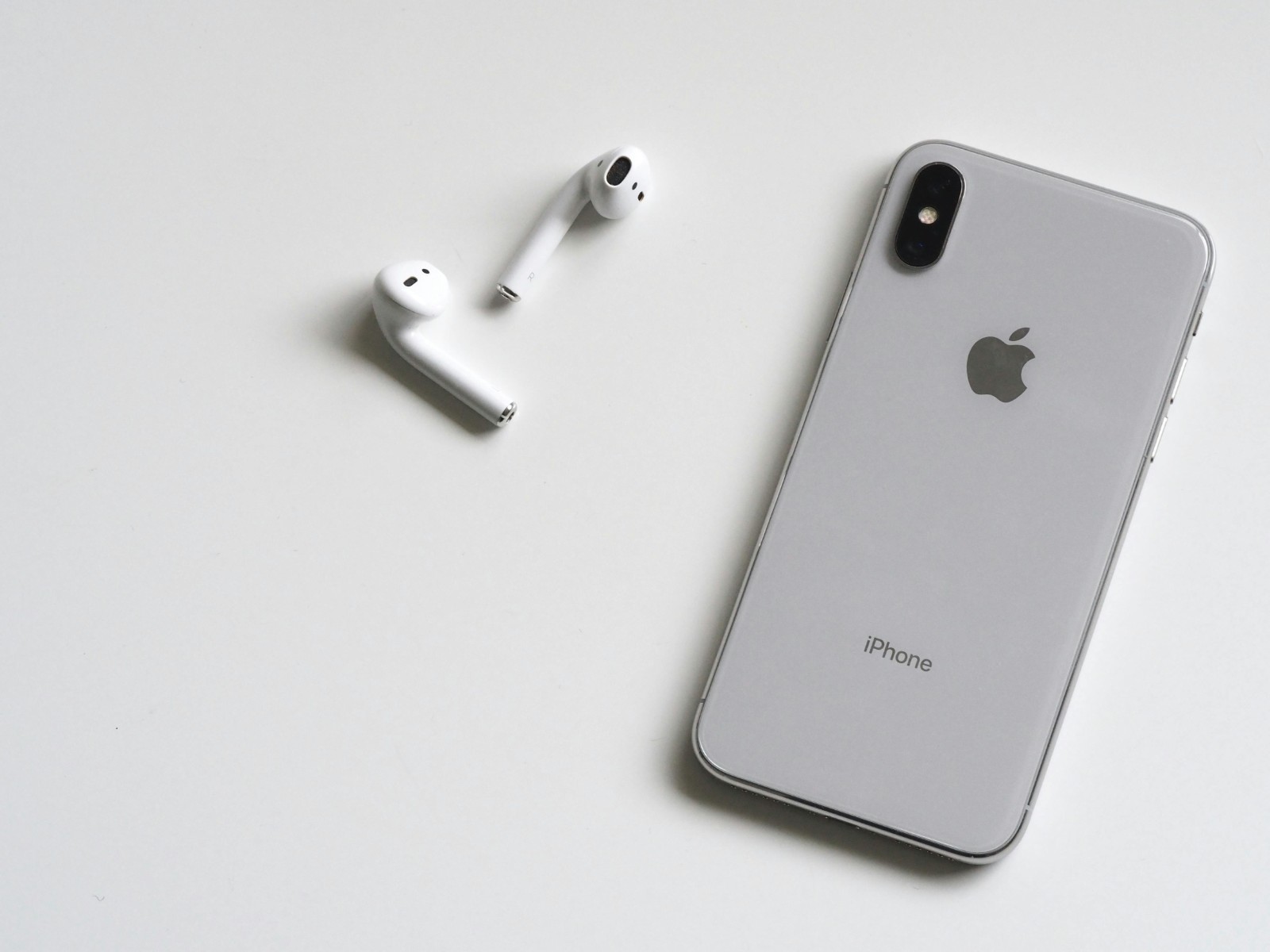
TELEC certification is the "pass" for Bluetooth headphones to enter the Japanese market. Enterprises need to make adequate preparations of materials, pay attention to the details of testing, and attach importance to subsequent maintenance in order to smoothly and complicit enter the Japanese market.