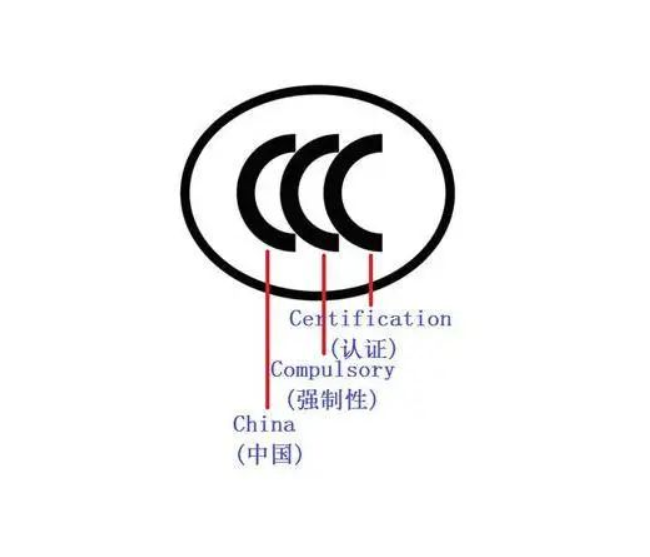
According to the 26th announcement of the State Administration for Market Regulation in 2024, lithium-ion batteries for electric bicycles (including lithium iron phosphate batteries) must obtain CCC certification and display the certification mark before they can be manufactured, sold, imported, or used in business operations. This indicates that these types of batteries have officially been included in the mandatory certification management category.
The CCC certification is the core system in China to ensure product quality and safety. For lithium iron phosphate batteries, the certification covers individual batteries and battery packs, and must comply with the GB43854 national standard. It strictly controls electrical safety, heat resistance, and flame retardancy, and prohibits the secondary utilization of used batteries in electric bicycles to prevent potential safety hazards at the source. Products that fail the certification will face administrative penalties such as fines ranging from 50,000 to 200,000 yuan and confiscation of illegal gains. They may also cause safety accidents due to quality issues, severely damaging the enterprise's reputation.
To comply with the certification process, enterprises must follow the prescribed procedures: First, submit an application to the designated certification institution by the State Administration for Market Regulation. The institution will accept the existing assessment results to reduce the burden on enterprises. Then, submit relevant technical materials for review, and at the same time, have the designated laboratory complete the product type test according to the standards. The certification institution will also conduct on-site inspections of the production factory to verify the quality assurance capabilities and product consistency. After comprehensive review and assessment, a 5-year certification certificate will be issued, and the enterprise can use the CCC mark on the product.
For enterprises, the CCC certification is both a "passport" for legal market entry and a key to enhancing core competitiveness. Through certification, enterprises can obtain authoritative safety recognition, enhance consumer trust and brand credibility, and avoid legal risks and market exclusion penalties, ensuring long-term stable operation. Enterprises should seize the policy opportunity, actively complete the certification, and build a product safety defense line.