Center Certification & Testing International
1. Food, agricultural products, and pharmaceuticals. Such as packaged food, milk, and dairy products.
2. Hardware products. Such as screwdrivers, wrenches, power tools, etc.
3. Second hand products. Such as machinery, equipment, motors, household appliances, etc.
4. Building materials. All materials used for construction.
5. Chemical products. Such as tires, pencils, ballpoint pens, etc.
6. Pregnant and infant products, stationery, and daily necessities.
7. Fuel and petroleum products. Such as gasoline, paraffin, petroleum, and lubricants.
8. Textile category. Including fabrics, clothing, yarn, etc.
9. Footwear and luggage. Including leather, rubber, plastic, etc.
10. Toys and childcare products. Covering all types of toys.
11. Electronic and electrical products: including household appliances, photocopiers, computers, etc.
12. Mechanical products, such as windproof lights, locks, etc.
1. Prepare relevant materials, this is the first step in applying for COC certification. These materials include but are not limited to: commercial invoices, packing lists, product photos, IDF (Import License), and product testing reports issued by third-party laboratories.
2. Inspection process. After the enterprise prepares the goods, it conducts supervision and inspection, and provides container loading data.
After passing the inspection, the certification body will issue a draft COC certificate. Generally, it only takes 3-5 working days, and companies need to carefully check the draft content and confirm it is correct before making the payment.
After the payment is completed, the certification body will issue an official certificate.
The COC certification in Kenya is not only a necessary condition for products to enter the market, but also an important manifestation of corporate compliance and protection of consumer rights. By understanding the certification process and its importance, companies can better prepare relevant documents, successfully complete certification, and ensure the smooth entry of products into the Kenyan market. If you want to learn more about COC certification or have products that require COC certification, please feel free to contact our company at any time!

Label printers entering the Brazilian market, ANATEL certification is an essential passport! It is the recognition of the Brazilian Telecommunications Authority for the safety and compliance of electronic products, without which products cannot be legally sold.
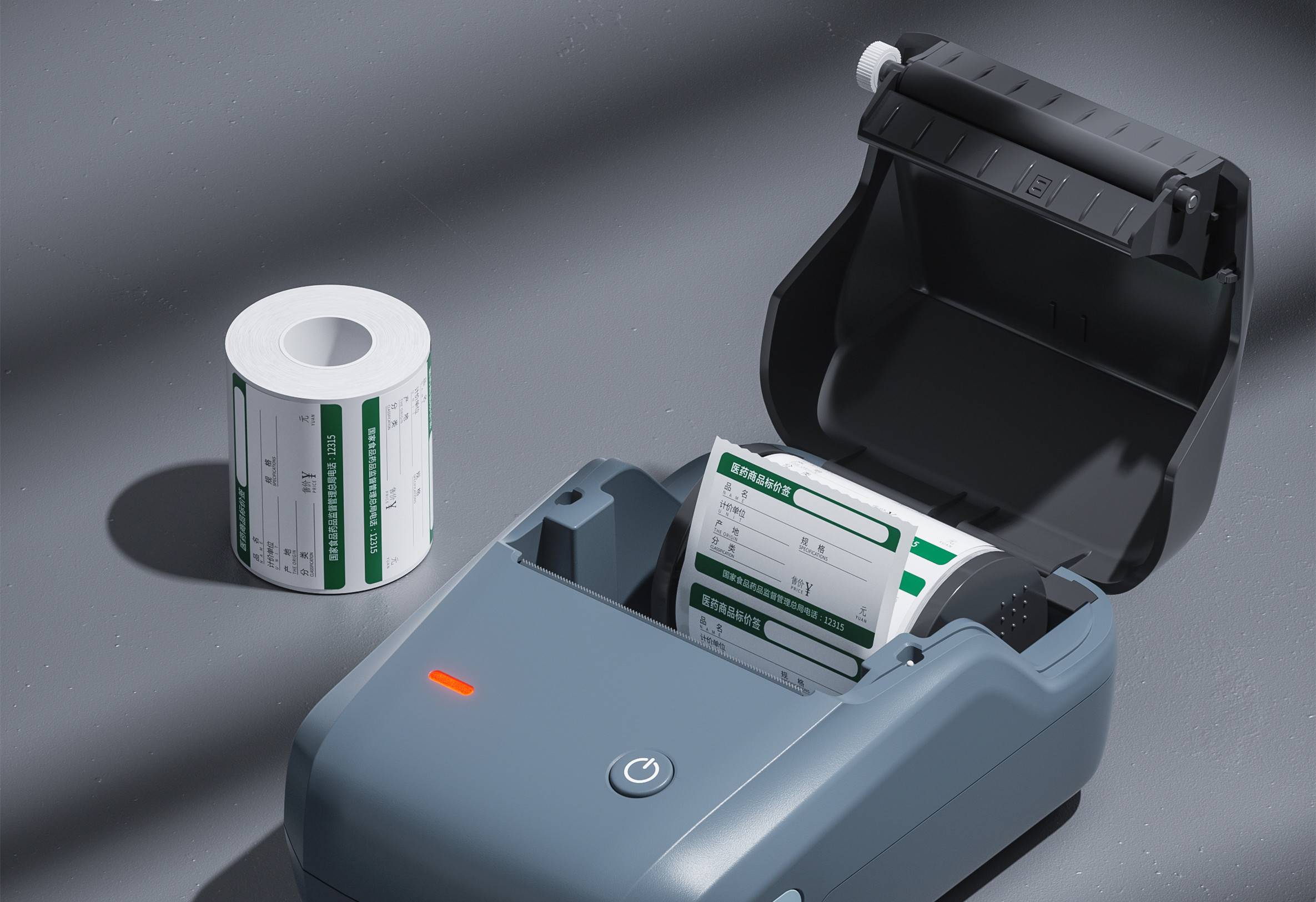
SRRC certification is not only a guarantee of product compliance, but also a key to opening up the market.
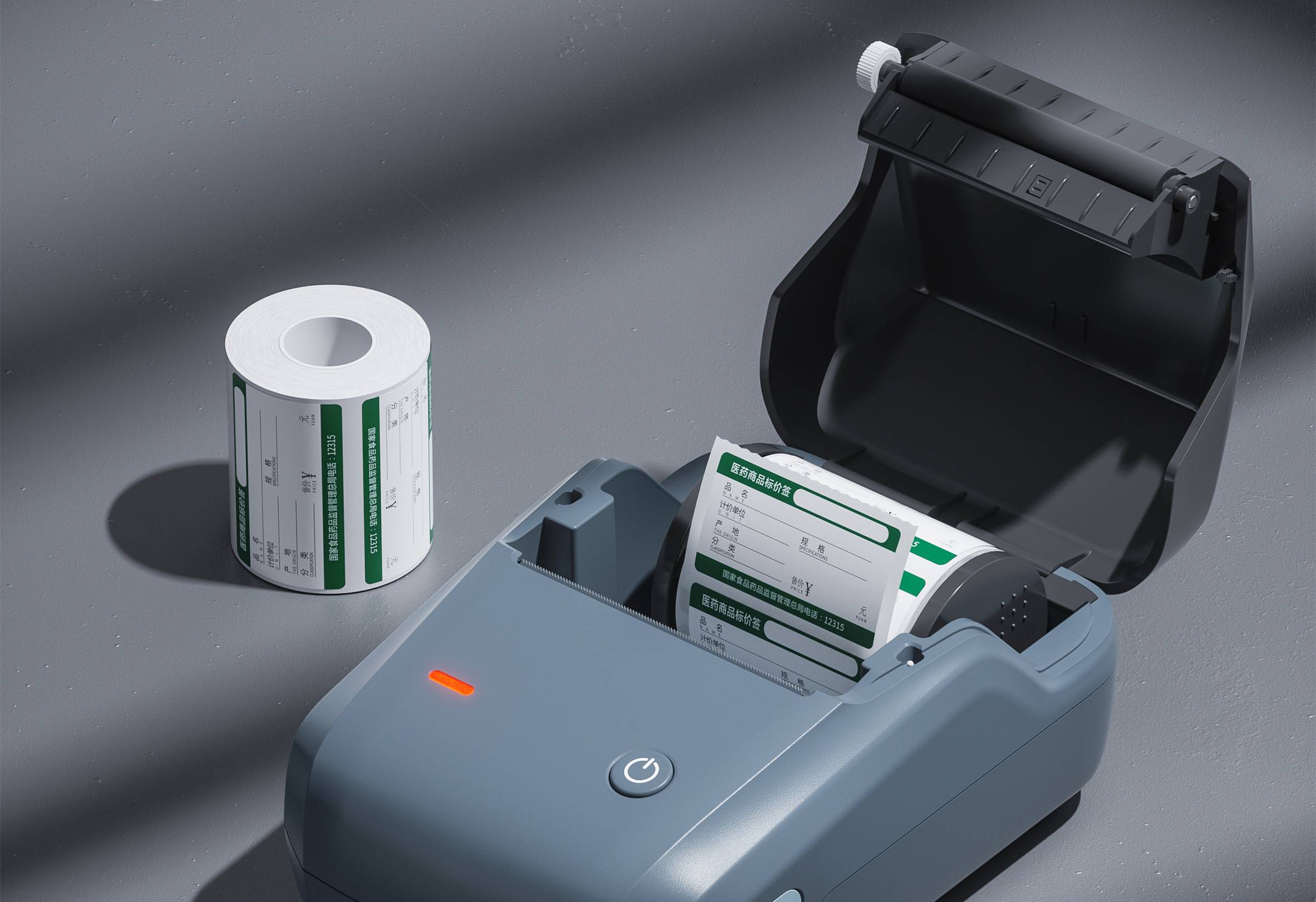
FCC ID certification is a mandatory certification for electronic products by the Federal Communications Commission (FCC) in the United States, and it is essential for label printers to obtain this certification.
The COC certification in Kenya is not only a necessary condition for products to enter the market, but also an important manifestation of corporate compliance and protection of consumer rights. By understanding the certification process and its importance, companies can better prepare relevant documents, successfully complete certification, and ensure the smooth entry of products into the Kenyan market.
Get a quote

Tik Tok