Center Certification & Testing International
On the global stage of technology product trade, the European market has always attracted the attention of many manufacturers with its strict and standardized entry standards. For popular digital accessories such as Bluetooth keyboards, CE-RED certification is like a "golden key" that opens the door to the European market. It is not only an important symbol of product compliance with European electromagnetic compatibility and radio equipment directives, but also a strong endorsement of product quality and safety.
1. Choose a certification body. Choose a professional and reliable authoritative certification agency. 2. Submit the application. Submit a certification application to the certification body and attach necessary product information, such as circuit schematics, circuit wiring diagrams, etc. At the same time, pay the corresponding certification fees. 3. Sample submission. According to the specific requirements of the certification body, provide a certain number of Bluetooth keyboard samples for the laboratory to conduct detailed testing. 4. Product testing. The certification body will conduct multiple tests on the samples, including electromagnetic compatibility (EMC), radio frequency (RF), and electrical safety, to ensure that the products fully comply with European standards. After completing the testing, review and evaluate. The certification body will carefully review the submitted product information and test reports to confirm whether the Bluetooth keyboard meets all the requirements of the CE-RED directive. 6. Certificate issuance. Once the audit is approved, the certification body will officially issue the CE-RED certification certificate, indicating that the Bluetooth keyboard meets the entry requirements for the European market and can smoothly enter the European market.
1. Certification application form: Accurately fill in the basic information of the product and enterprise, ensuring that the content is complete and error free. This is the basic document of the certification process.
2. English manual: It should clearly explain the functions and usage methods of the product.
3. Wireless technology specifications: covering key parameters such as frequency and power to ensure that the product complies with EU standards.
4. Product nameplate: It should indicate the product name, model, certification mark, and other information.
5. Fixed frequency data: used to prove that the product complies with EU radio frequency regulations and ensures frequency usage compliance.
6. Antenna report: includes technical data such as antenna gain and directionality to demonstrate that wireless performance meets standards.
7. Safety Critical Component List (CDF): Certification information is required for critical components such as power modules and batteries to ensure product safety.
That's all for today's sharing. If you need to learn more about the CE-RED certification process or apply for related certifications, please feel free to consult!

Label printers entering the Brazilian market, ANATEL certification is an essential passport! It is the recognition of the Brazilian Telecommunications Authority for the safety and compliance of electronic products, without which products cannot be legally sold.
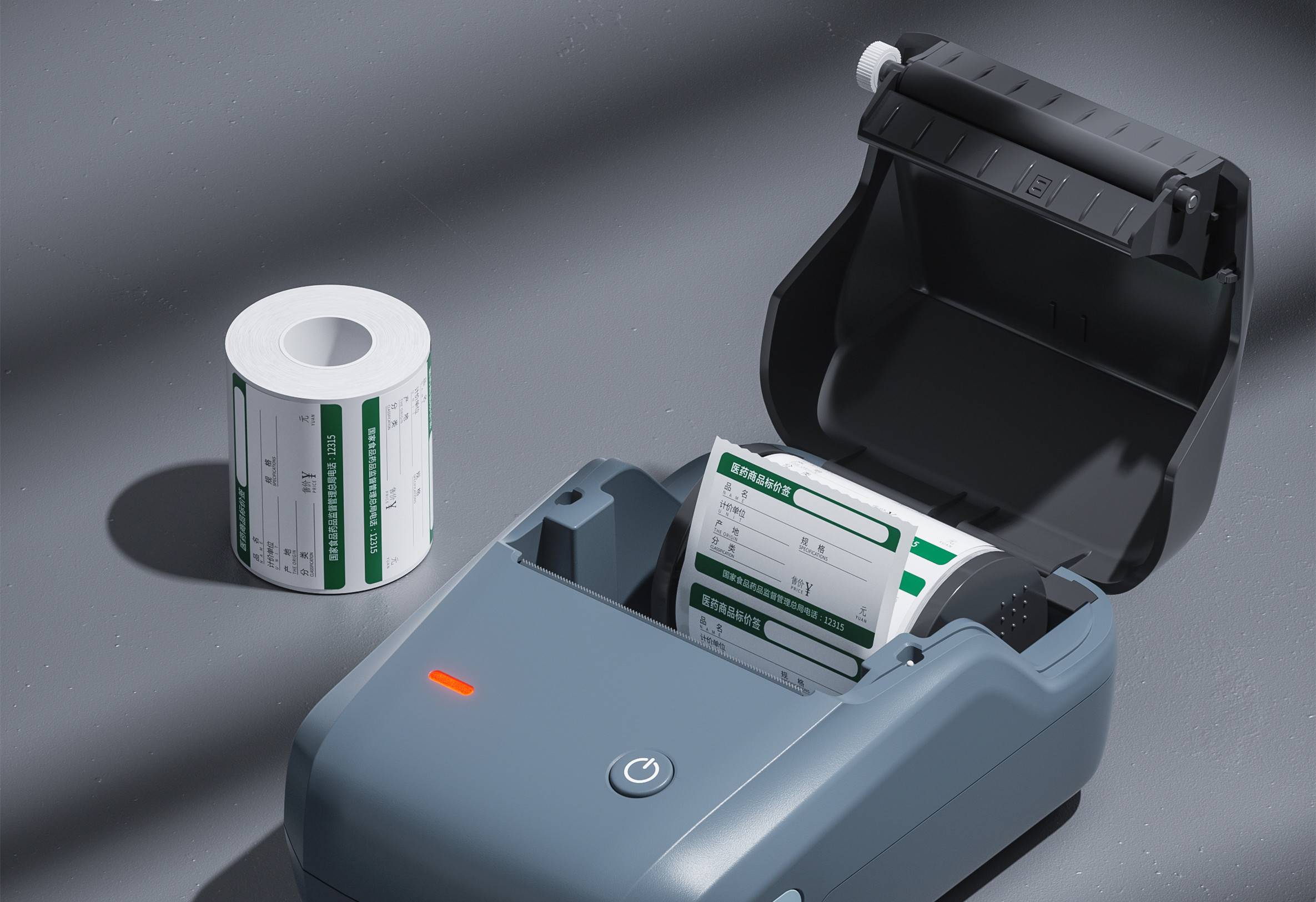
SRRC certification is not only a guarantee of product compliance, but also a key to opening up the market.
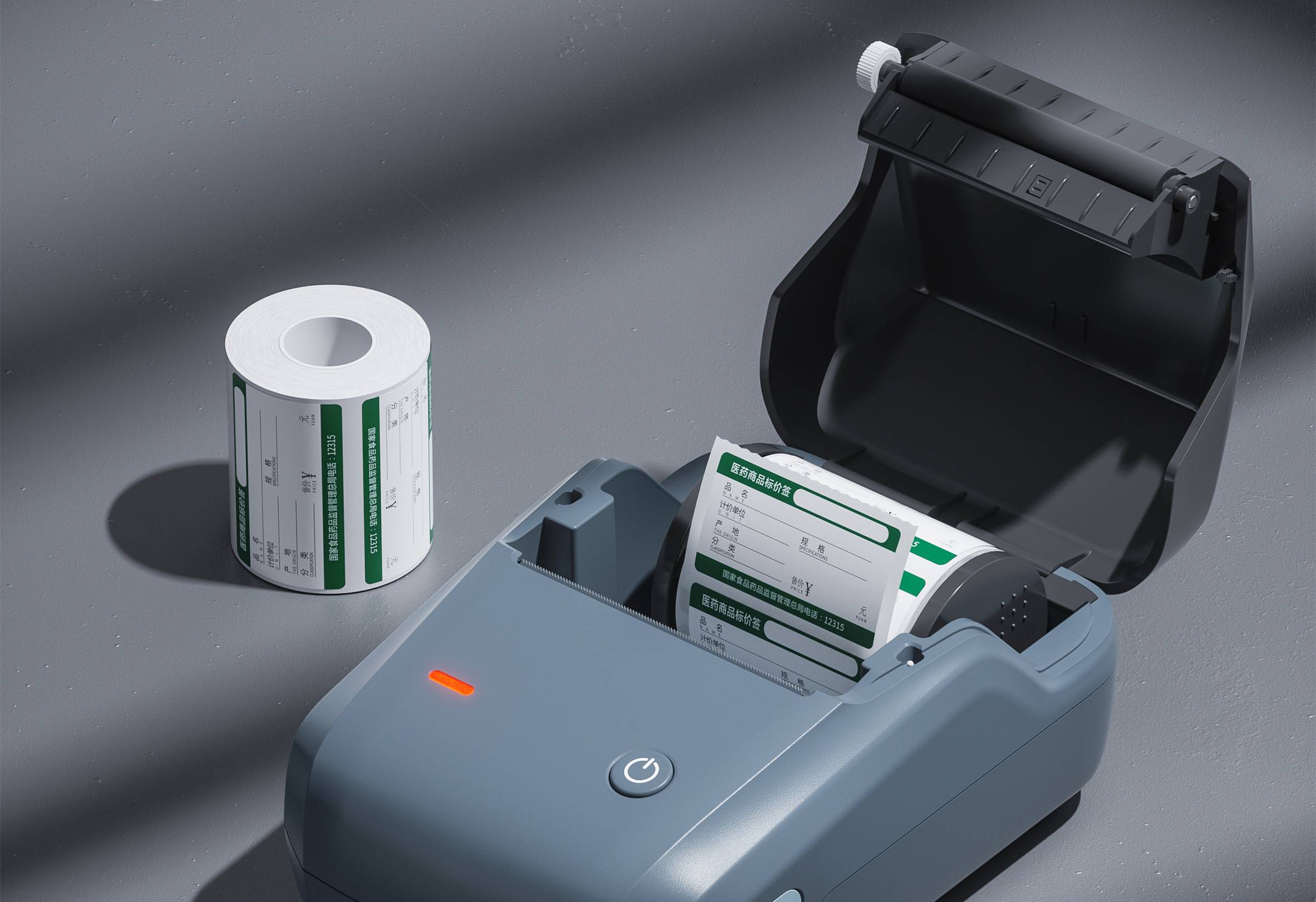
FCC ID certification is a mandatory certification for electronic products by the Federal Communications Commission (FCC) in the United States, and it is essential for label printers to obtain this certification.
For popular digital accessories such as Bluetooth keyboards, CE-RED certification is like a \"golden key\" that opens the door to the European market. It is not only an important symbol of product compliance with European electromagnetic compatibility and radio equipment directives, but also a strong endorsement of product quality and safety.
Get a quote

Tik Tok