Center Certification & Testing International
The export of smart door locks to the Japanese market, TELEC certification is a crucial threshold that cannot be bypassed, and its importance is self-evident.
From the perspective of market access, TELEC certification is a mandatory certification for wireless devices in Japan. Only by obtaining this certification can smart door lock products legally enter the Japanese market. Without this certification, the product will be rejected and miss out on the vast Japanese market.
From the perspective of consumer trust, obtaining TELEC certification means that the product meets relevant Japanese standards and requirements, and has certain guarantees in terms of quality and safety. This can make Japanese consumers more confident in purchasing and using, helping to enhance the recognition and competitiveness of the product in the local market.
3. From the perspective of compliant operation of enterprises, complying with TELEC certification regulations is a manifestation of the legal operation of enterprises. If a company ignores certification, it may not only face risks such as product recalls and fines, but also damage the company's international image and reputation.
Firstly, prepare the application materials. You need to organize complete application materials, including product specifications, technical parameters, and certification application forms, to ensure that the information is accurate and error free.
Secondly, submit the application. Submit the prepared materials to an authoritative and professional third-party testing agency, and patiently wait for the acceptance notification.
Thirdly, sample testing. The laboratory will conduct a series of tests on your smart door lock samples according to the TELEC certification standards to ensure that the product meets the relevant regulatory requirements of the Japanese market.
Fourth, certificate issuance. If the product successfully passes the testing and final audit, the certification body will officially issue the TELEC certification certificate, and the product can then be sold smoothly in the Japanese market.
1. The schematic diagram, circuit diagram, block diagram, and circuit description of the entire machine can provide a detailed display of the circuit structure and working principle of the door lock. At the same time, English or Japanese user manuals and operating instructions should be provided to facilitate the certification agency's understanding of the use of the door lock.
2. A BOM (Bill of Materials) is also essential, detailing all components and specifications of the smart door lock.
If the door lock includes a wireless communication module, there must also be a module schematic, module block diagram, and module specification book.
4. Antenna specification sheet, which should include antenna pattern, antenna size, antenna gain, and other contents.
5. It is also necessary to submit the factory ISO9001 certificate to prove that the production process complies with international standards.
If you need to learn more about the TELEC certification process or handle related certifications, please feel free to consult!

Label printers entering the Brazilian market, ANATEL certification is an essential passport! It is the recognition of the Brazilian Telecommunications Authority for the safety and compliance of electronic products, without which products cannot be legally sold.
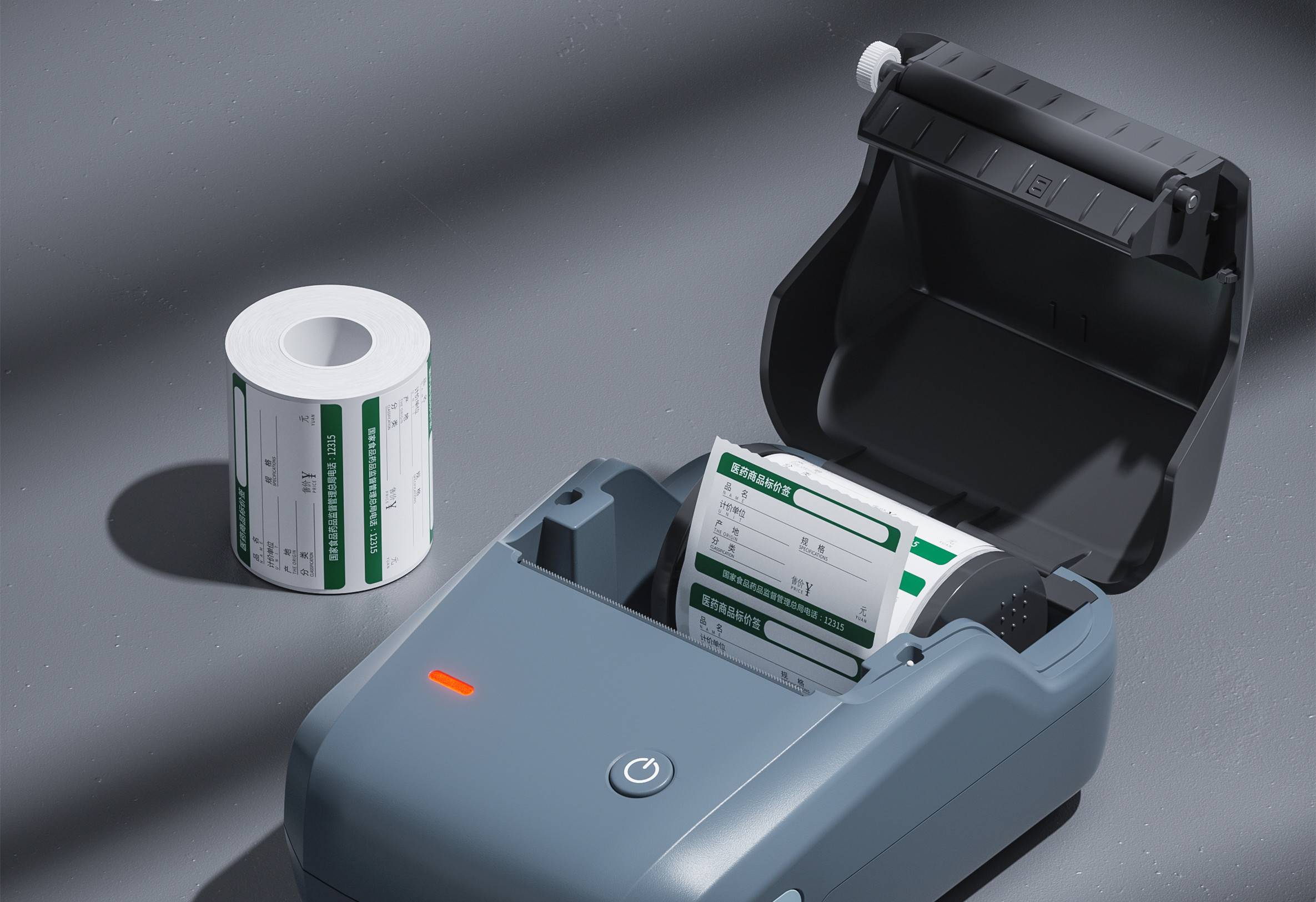
SRRC certification is not only a guarantee of product compliance, but also a key to opening up the market.
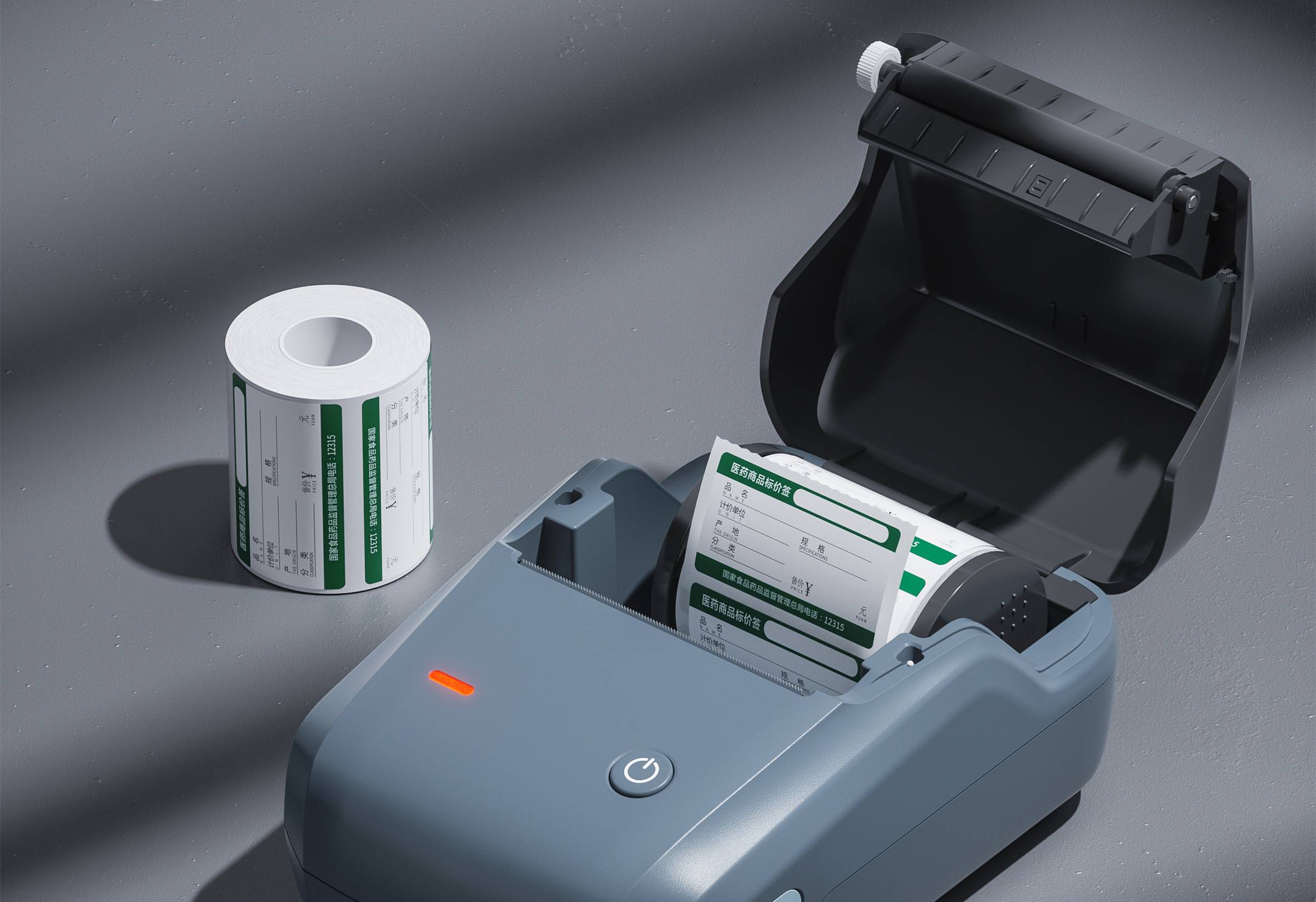
FCC ID certification is a mandatory certification for electronic products by the Federal Communications Commission (FCC) in the United States, and it is essential for label printers to obtain this certification.
TELEC certification is a mandatory certification for wireless devices in Japan, and only by obtaining this certification can smart door lock products legally enter the Japanese market. Without this certification, the product will be rejected and miss out on the vast Japanese market.
Get a quote

Tik Tok