Center Certification & Testing International

REACH introduction
The REACH directive is the English abbreviation for "Registration, Evaluation, Authorization and Restriction of Chemicals". The main content of REACH is to prove that daily-use products do not contain harmful chemical substances. Therefore, all daily-use products produced in the EU or imported into the EU market, which mainly refer to textiles, must pass the registration, inspection and approval of the content of hazardous chemicals, and once they exceed the prescribed content, they cannot be sold on the EU market.
The REACH directive is the European Union's preventive management of all chemicals entering its market, implemented on June 1, 2007. The European Commission's chemical white paper REACH, which was proposed by the European Commission in February 2001, formally promulgated relevant regulations in the first quarter of 2007 and took effect in all member states.
Purpose meaning
In May 2007, the EU promulgated the most important regulation in the EU for 20 years, the REACH regulation, namely EC/1907/2006 "Regulations on the Registration, Evaluation, Authorization and Restriction of Chemicals". The regulations were formally implemented in the EU from June 1, 2007, and the controlled objects are chemicals, that is, chemical substances, so they cover almost all industries and have a profound impact on all walks of life. The REACH regulation puts forward requirements for registration, restriction, authorization, and notification of products sold on the EU market, requiring manufacturers and importers to fulfill corresponding obligations. At the same time, a list of a series of high-risk substances of concern (SVHC (Substance of Very High Concern), including carcinogenic, teratogenic, reproductive toxicity, bioaccumulative, etc. is published in batches, and more highly controlled and restricted substances of high concern are This is to protect human health.
Test process
1. Provide product related information;
2. Evaluation and testing costs and time;
3. Fill in the application form, sign back the contract and express the sample;
4. The laboratory conducts REACH testing on the samples;
5. After passing the test, issue a REACH report.
The difference between REACH and ROHS
Unlike the RoHS directive, the scope of REACH is much wider. In fact, it will affect the products and manufacturing processes of almost all industries from mining to textile and clothing, light industry, electromechanical and other industries. REACH requires manufacturers to register each chemical component in products, there are about 30,000-and to measure its potential harm to public health. REACH established the concept that society should not casually introduce new materials, products or technologies whose potential hazards are uncertain.
RoHS Directive
Controlled substances: lead, mercury, cadmium, hexavalent chromium, polybrominated biphenyls, polybrominated diphenyl ethers, bis(2-ethylhexyl) phthalate, tolyl butyl phthalate, dibutyl phthalate Base ester, diisobutyl phthalate.
REAHC Directive
Controlled substances: the latest SVHC list, a total of 201 items. EU REACH will involve 30,000 chemical substances, which is almost 1/3 of the 100,000 chemical substances currently on the EU market. Testing will take a gradual way, gradually increasing the types of testing materials in 3, 6 or 11 years, but before 2013, priority will be given to testing the most harmful or imported materials. Within three years from now, from the detection of 1 ton per year, all products containing the most dangerous substances, such as carcinogens, mutagenic substances and toxic substances during reproduction, must first be registered and passed the test.
The relationship between REACH and SVHC
SVHC is simply a substance list of highly concerned substances before REACH registration, then the REACH test often mentioned by third-party testing agencies actually refers to the SVHC test of highly concerned substances. The testing agency will check the SVHC list updated by the EU every year. Products are tested, and this list is constantly increasing.
SVHC list update process
On October 28, 2008, ECHA released the first batch of SVHC list, a total of 15 items;
On January 13, 2010, ECHA released the second batch of SVHC lists (14 items), a total of 29 items;
On March 30, 2010, ECHA included acrylamide in the second batch of SVHC list, a total of 30 items;
On June 18, 2010, ECHA released the third batch of SVHC lists (8 items), a total of 38 items;
On December 15, 2010, ECHA released the fourth batch of SVHC list (8 items), a total of 46 items;
On June 20, 2011, ECHA released the fifth batch of SVHC list (7 items), a total of 53 items;
On December 19, 2011, ECHA released the sixth batch of SVHC list (20 items), a total of 73 items;
On June 18, 2012, EHCA released the seventh batch of SVHC list (13 items); meanwhile, the second batch of aluminum silicate refractory ceramic fibers (Al-RCF) and zirconia aluminum silicate refractory ceramic fibers (ZrAl- RCF) integrated into the sixth batch of SVHC
In the list, that is, the second batch of SVHC list was reduced to 13 items, a total of 84 items;
On December 19, 2012, ECHA released the eighth batch of SVHC list (54 items), a total of 138 items;
On June 30, 2013, ECHA released the ninth batch of SVHC list (6 items), a total of 144 items;
On December 16, 2013, ECHA released the tenth batch of SVHC lists (7 items), a total of 151 items;
On June 16, 2014, ECHA released the eleventh batch of SVHC lists (4 items), a total of 155 items;
On December 17, 2014, ECHA released the twelfth batch of SVHC list (6 items), a total of 161 items;
On June 15, 2015, ECHA released the thirteenth batch of SVHC list (2 items), a total of 163 items;
On December 17, 2015, ECHA released the 14th batch of SVHC list (5 items), a total of 168 items;
On June 20, 2016, ECHA released the fifteenth batch of SVHC list (1 item), a total of 169 items;
On July 10, 2017, ECHA released the 17th batch of 1 SVHC list, a total of 174 items. At the same time, the five substances bisphenol A, BBP, DEHP, DBP, and DIBP already in the list have been added to the human body. Of the endocrine disrupting properties;
On January 15, 2018, ECHA released the eighteenth batch of 7 SVHC lists, with a total of 181 items. At the same time, the bisphenol A in the list has been updated.
On June 27, 2018, ECHA released the nineteenth batch of 10 SVHC lists, with a total of 191 items.
On January 15, 2019, ECHA released the twentieth batch of six SVHC lists, totaling 197 items.
On July 16, 2019, ECHA released the 21st batch of 4 SVHC lists, totaling 201 items.
Label printers entering the Brazilian market, ANATEL certification is an essential passport! It is the recognition of the Brazilian Telecommunications Authority for the safety and compliance of electronic products, without which products cannot be legally sold.
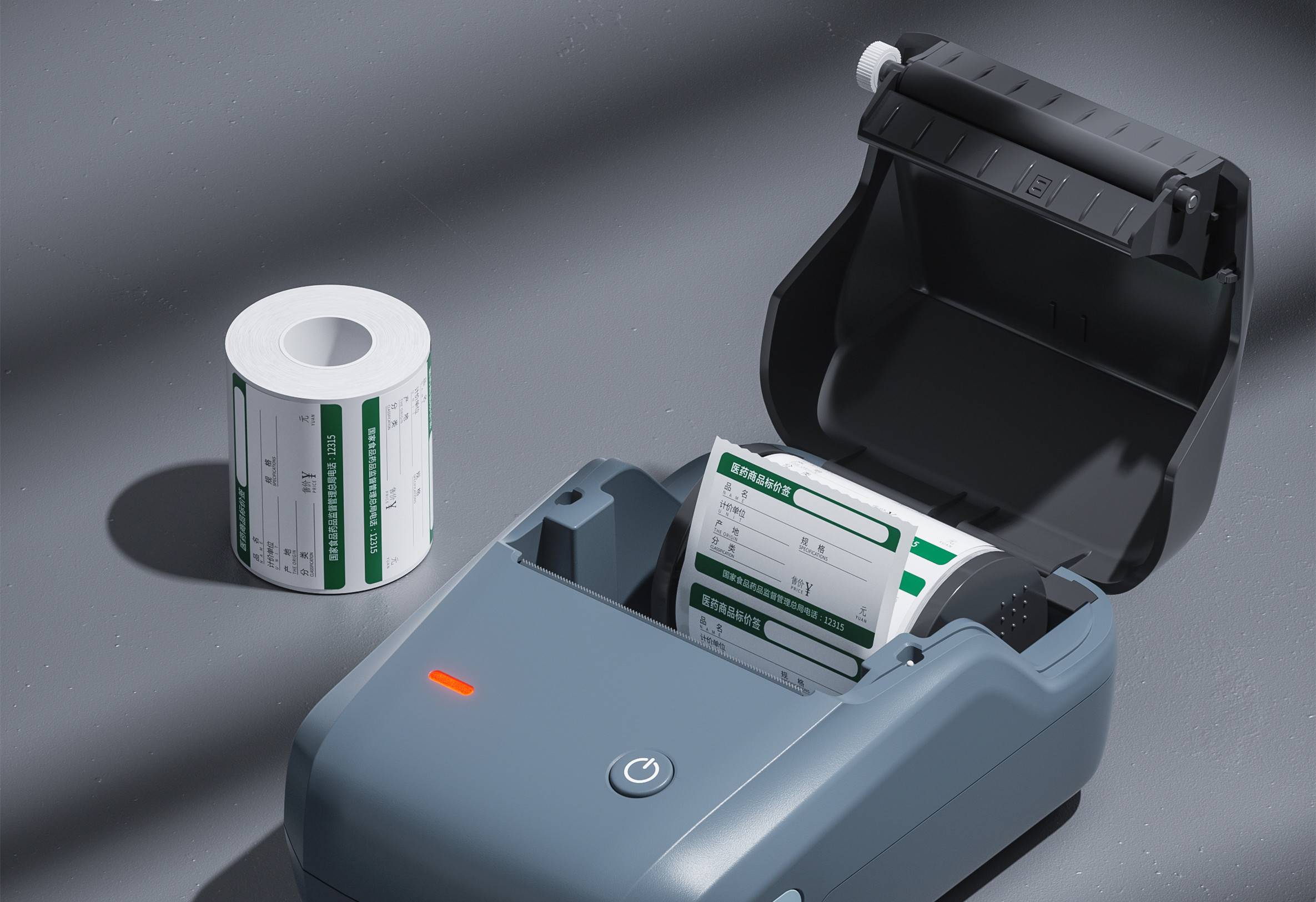
SRRC certification is not only a guarantee of product compliance, but also a key to opening up the market.
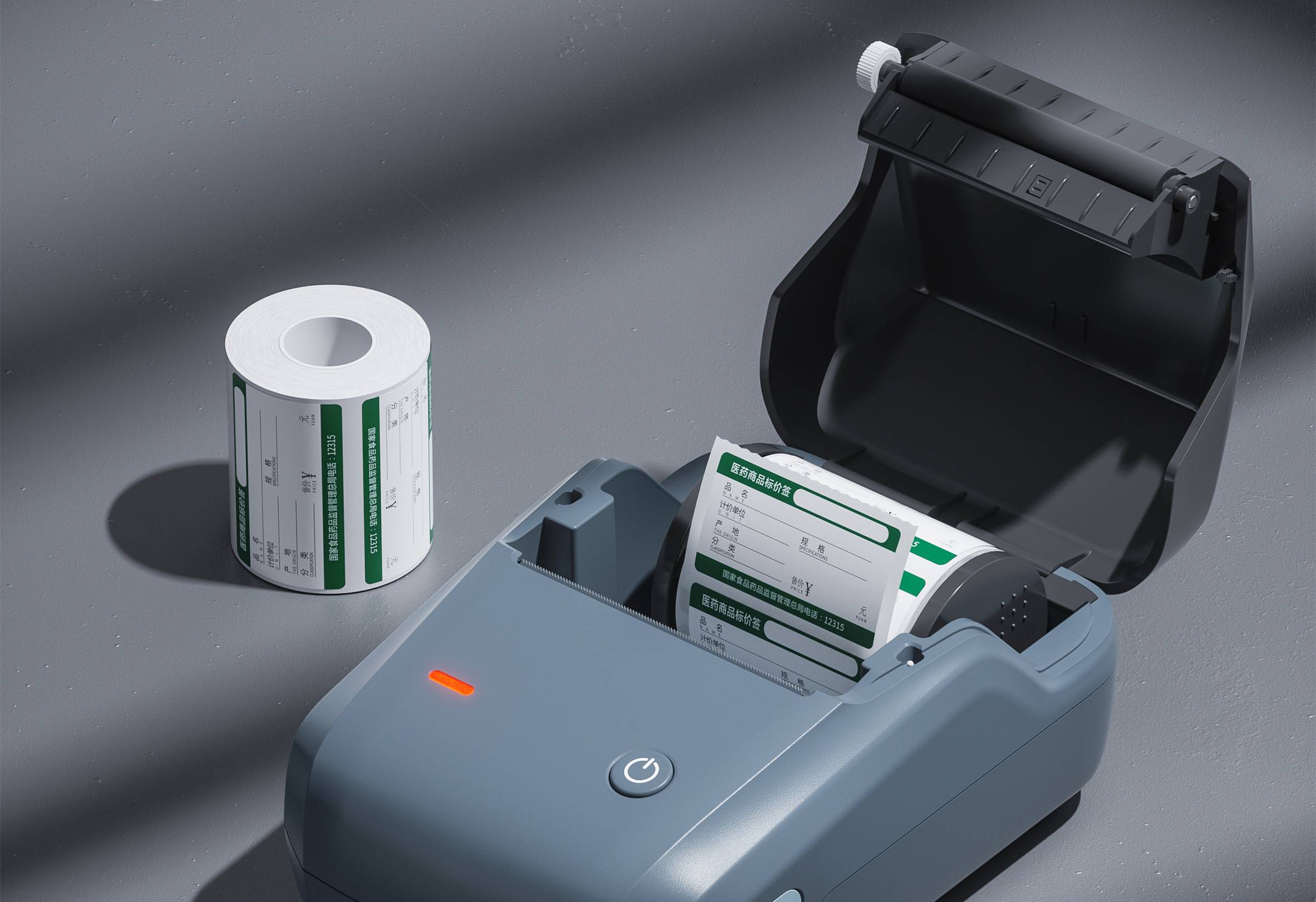
FCC ID certification is a mandatory certification for electronic products by the Federal Communications Commission (FCC) in the United States, and it is essential for label printers to obtain this certification.
The REACH directive is the English abbreviation for \"Registration, Evaluation, Authorization and Restriction of Chemicals\". The main content of REACH is to prove that daily-use products do not contain harmful chemical substances. Therefore, all daily-use products produced in the EU or imported into the EU market, which mainly refer to textiles, must pass the registration, inspection and approval of the content of hazardous chemicals, and once they exceed the prescribed content, they cannot be sold on the EU market.
Get a quote

Tik Tok