Center Certification & Testing International

Project Introduction
The scratch test is one of the commonly used standard methods for testing the bonding strength between the surface film and the base material. Use a material with a hardness greater than the surface film to make a sharp tip to scratch on the surface of the sample or workpiece. Add a load to the scratch head until the film and the substrate are out of contact. At this time, the load is the critical load, and the surface film and the surface film can be calculated. Bonding strength between substrates.
Application range
The scratch test is mainly used to detect and evaluate the anti-shear, scratch, planing, scratch and engraving properties of materials such as anodized materials, rigid organic materials, powder coatings, soft metals, plastics, glass and paint adhesives.
Method Standard
GB/T17657-1999, ISO4586-2, JISK6902, Federal series standard, Terrazzo90322-9E-1, UNI9428Furniture, AS/NZSAS2924.2, ASTMC217, CEN series standard, DIN53799, DIN68861-4
Label printers entering the Brazilian market, ANATEL certification is an essential passport! It is the recognition of the Brazilian Telecommunications Authority for the safety and compliance of electronic products, without which products cannot be legally sold.
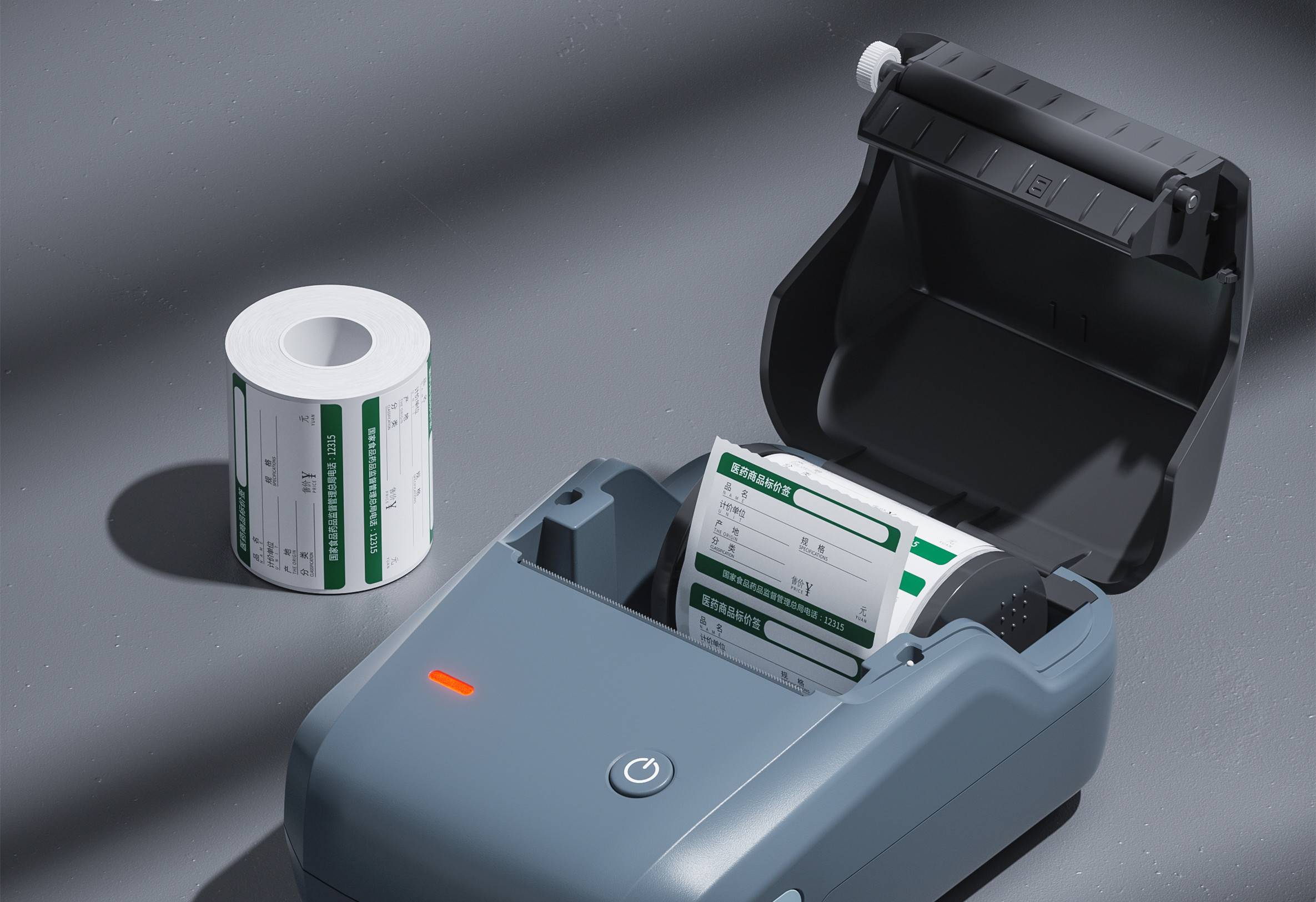
SRRC certification is not only a guarantee of product compliance, but also a key to opening up the market.
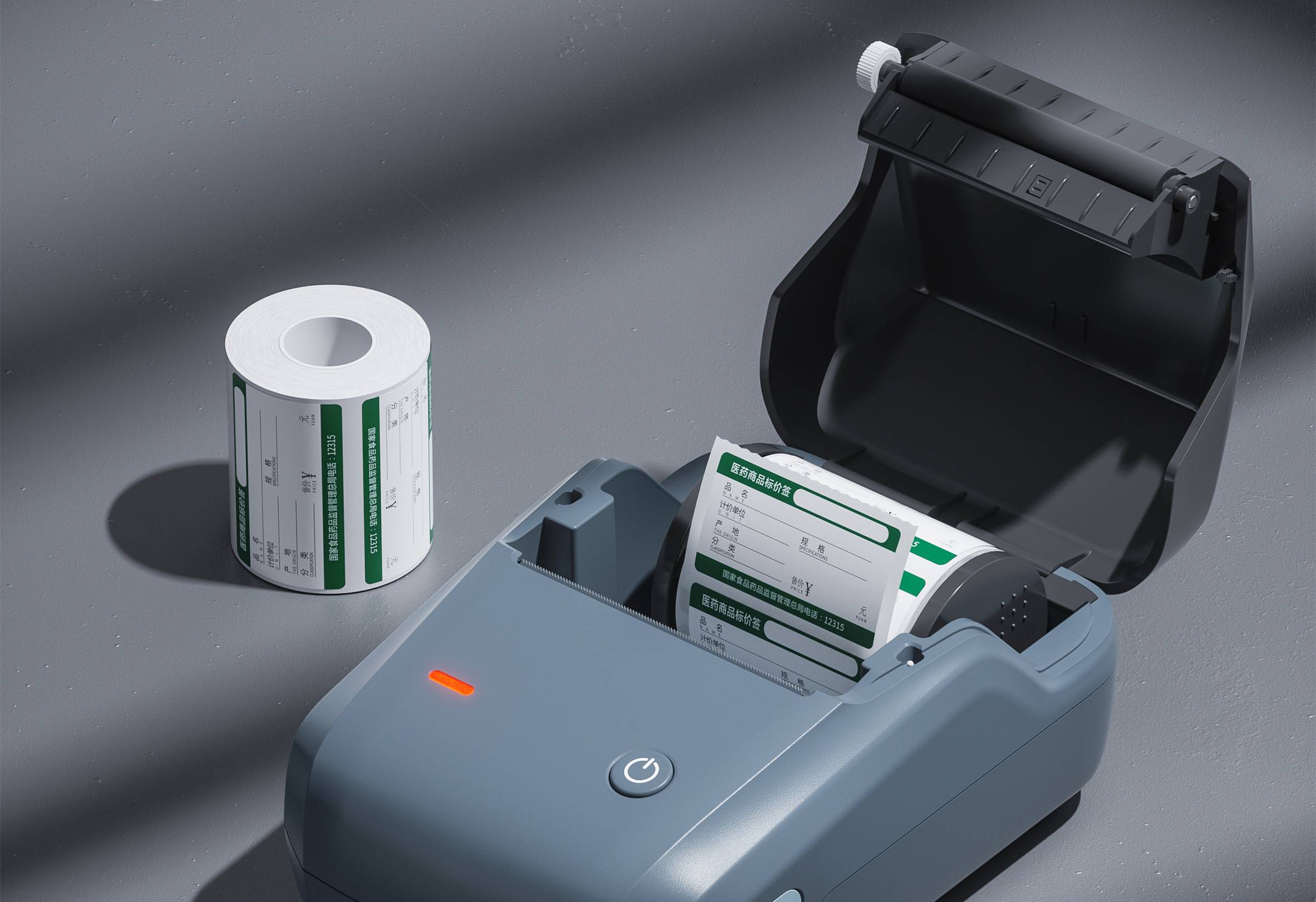
FCC ID certification is a mandatory certification for electronic products by the Federal Communications Commission (FCC) in the United States, and it is essential for label printers to obtain this certification.
The scratch test is one of the commonly used standard methods for testing the bonding strength between the surface film and the base material. Use a material with a hardness greater than the surface film to make a sharp tip to scratch on the surface of the sample or workpiece.
Get a quote

Tik Tok