Center Certification & Testing International
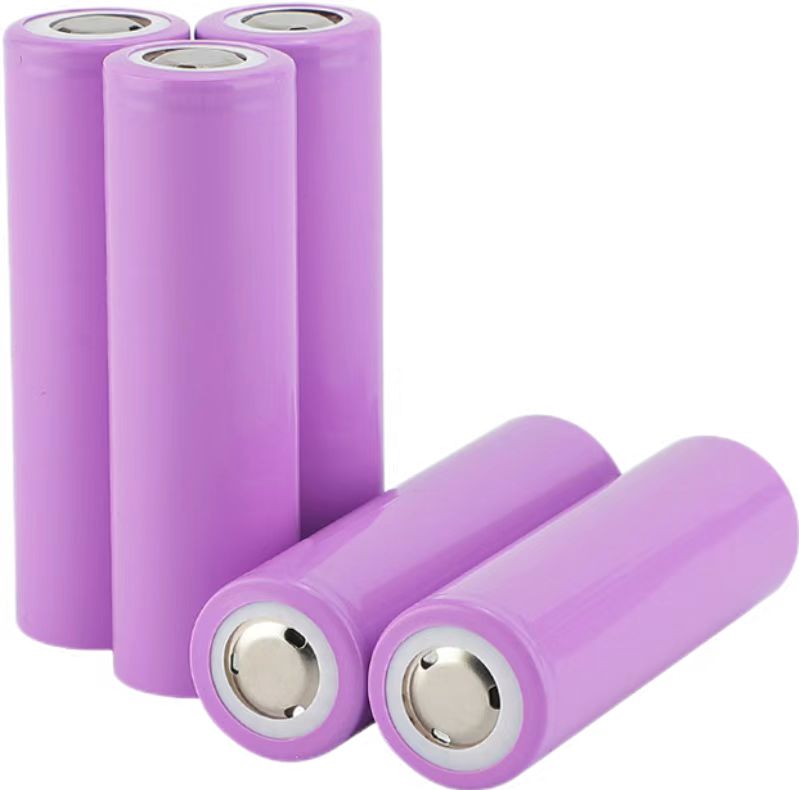
The UL certification for batteries is a safety certification system developed by UL Solutions for battery products. It covers multiple standards such as UL1642 (for lithium batteries) and UL2054 (for household and commercial batteries), and is applicable to various types of secondary batteries and battery packs, including lithium-ion and nickel-metal-hydride batteries. Through simulations of extreme scenarios such as short circuits, overcharging, and compression, the safety performance of the products is verified.
Wireless routers are the core devices for home and office networks, enabling multiple devices to connect via wireless signals. Due to their operation involving radio frequency transmission, they are subject to mandatory control in the Canadian market by ISED (formerly IC). This certification aims to regulate the use of radio frequency devices and ensure spectrum order and user safety.
The smart door lock integrates wireless functions such as Bluetooth and Wi-Fi, providing convenient services like remote unlocking and permission management. It has become a popular product in the Canadian smart home market. Due to its wireless communication feature, entering the Canadian market requires passing the ISED IC certification (regulated by the Canadian Innovation, Science and Economic Development Ministry), which is a prerequisite for the product to be sold legally.
ISED certification (formerly IC certification) is a mandatory compliance certification implemented by the Department of Innovation, Science and Economic Development of Canada for wireless communication devices. It mainly ensures that mobile phones meet the Canadian RSS standard series in terms of radio frequency performance, electromagnetic compatibility, etc. This certification is the \"passport\" that smartphones need to enter the Canadian market and is applicable to all mobile device models with wireless functions such as Wi-Fi, Bluetooth, 5G, etc.
As a popular equipment in the field of intelligent manufacturing, 3D printers, with their flexible forming capabilities, are widely used in various scenarios such as industrial manufacturing and creative design. If one plans to enter the Korean market, KC certification is an indispensable entry threshold. The KC certification is a mandatory safety certification system for electronic and electrical products in South Korea. 3D printers must simultaneously meet the requirements of KCSafety electrical safety certification and KCEMC electromagnetic compatibility certification.
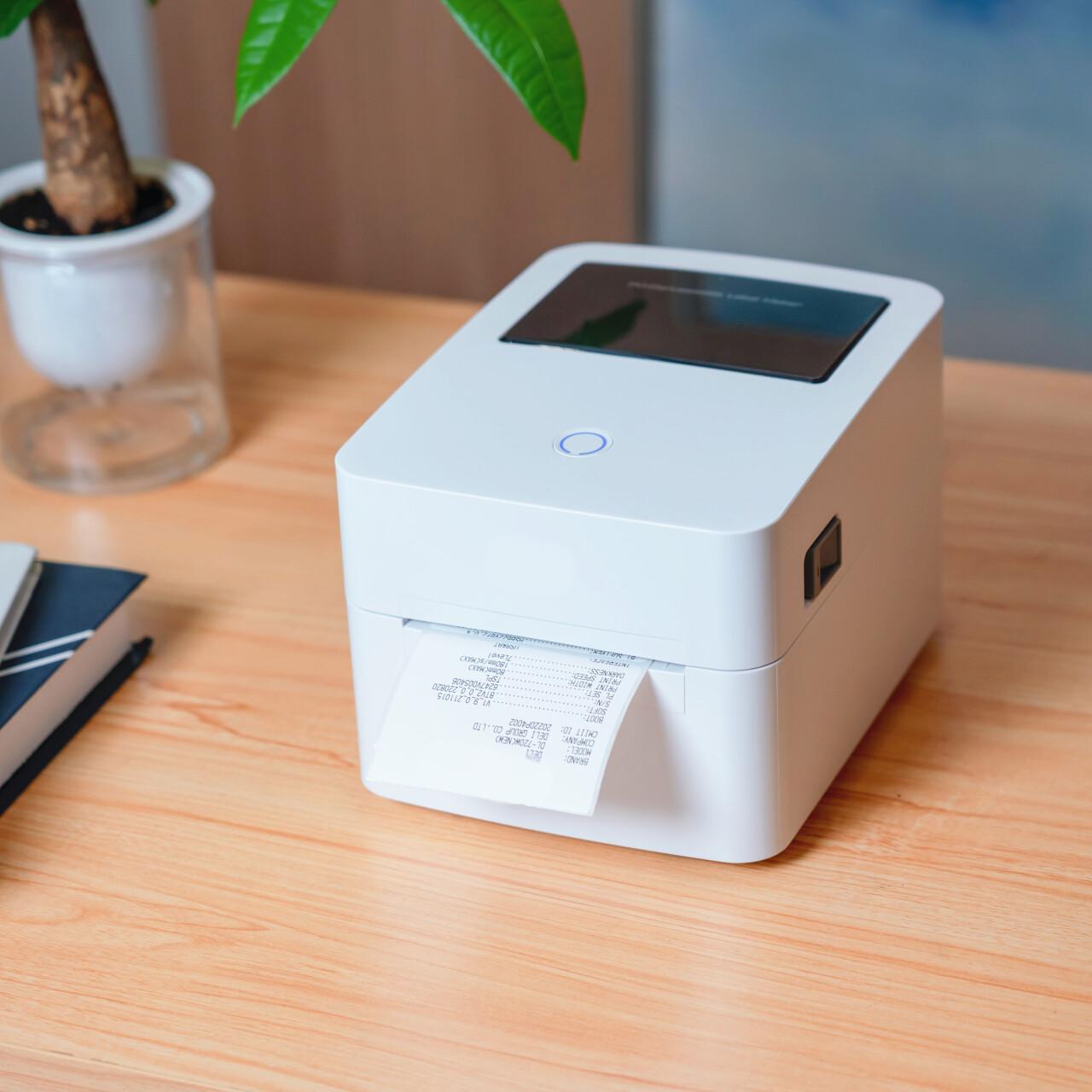
Label printers, as core auxiliary equipment in logistics, retail, and manufacturing industries, are designed to adapt to various scenarios with their efficient and precise label generation capabilities. Among them, wireless models with Bluetooth and Wi-Fi functions are the mainstream in the market. These devices are exported to Canada, and the ISED IC certification is an indispensable compliance prerequisite.
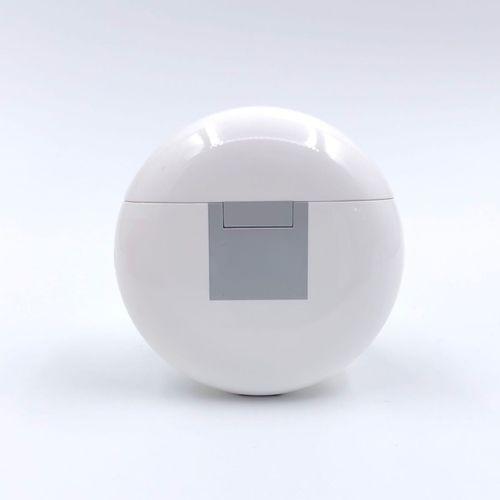
Bluetooth headphones have gained popularity due to their wireless convenience and clear sound quality, becoming essential items for audio entertainment and daily commuting. They are also a popular category for cross-border enterprises to enter the Canadian market. The ISED IC certification (formerly the Canadian IC certification) serves as a compliance certificate for wireless devices entering the Canadian market and is a crucial prerequisite for the legal circulation of Bluetooth headphones.
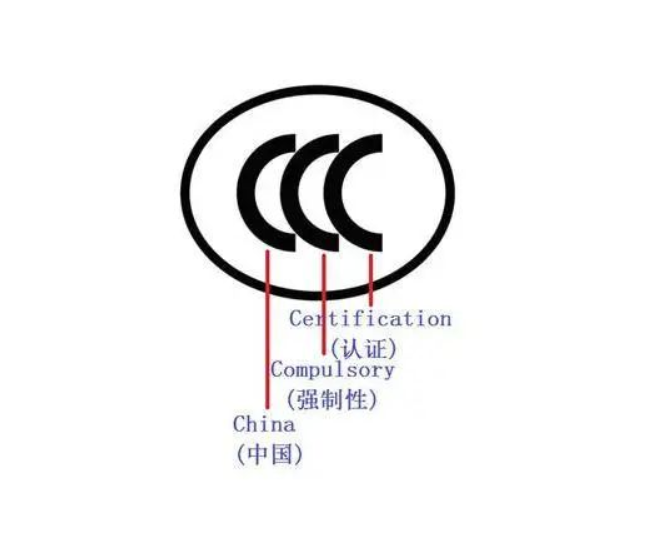
According to the 26th announcement of the State Administration for Market Regulation in 2024, lithium-ion batteries for electric bicycles (including lithium iron phosphate batteries) must obtain CCC certification and display the certification mark before they can be manufactured, sold, imported, or used in business operations. This indicates that these types of batteries have officially been included in the mandatory certification management category.
Learn the latest exciting content

Tik Tok