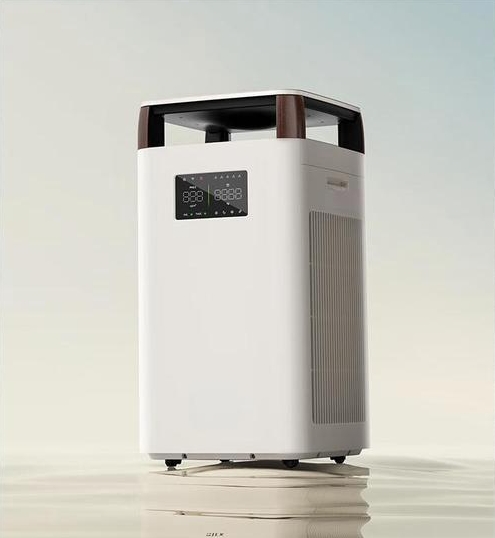
As a good helper in improving indoor air quality, air purifiers have become common devices in homes, offices and commercial places due to their functions of filtering dust, odors and harmful gases. Especially in Australia, New Zealand and surrounding markets, with the increasing environmental awareness, the demand for air purifiers continues to grow. To ensure that products can smoothly enter these markets, RCM certification is an indispensable key step.
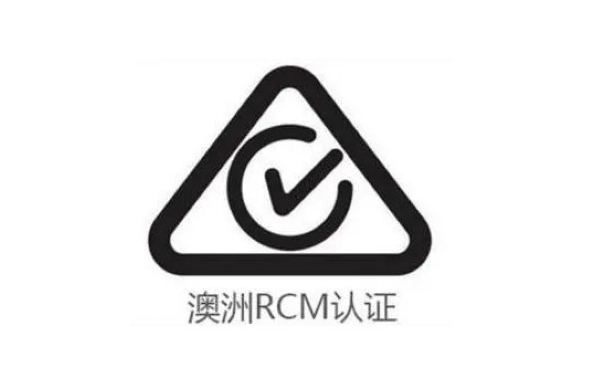
The core of obtaining RCM certification for air purifiers is to meet the market access requirements. The RCM certification is a mandatory compliance mark for electrical products in Australia and New Zealand, covering both safety and electromagnetic compatibility (EMC) requirements. It has been officially enforced since March 2016. Products that have not been certified not only cannot pass through customs clearance but also cannot be legally sold in the local area. Even if they manage to enter the market by chance, they may face spot checks and penalties from regulatory authorities, and at the same time, it will also affect the brand's credibility. Conversely, products with the RCM logo can convey a signal of compliance and safety to consumers, helping to enhance market acceptance.
Before applying for certification, it is recommended to prepare the following materials in advance: First, basic product information, including both Chinese and English instruction manuals, technical specification sheets, list of model differences and product photos; The second is technical documents, such as circuit diagrams and component lists (BOM lists); Third, test the relevant materials. If there are international reports such as CB and CE, they can be provided together to reduce repetitive testing. Finally, three main test model samples and a complete certification application form need to be prepared.
The certification process can be divided into four steps: The first step is product classification and standard matching, confirming the corresponding test standard for the air purifier; The second step is sample testing, which needs to be completed in an NATA accredited laboratory for tests such as insulation withstand voltage, temperature rise, and radiation disturbance. The third step is document review and registration. Submit test reports, conformity declarations and other materials to the local representative in Australia and New Zealand to complete the EESS database registration. The fourth step is to apply the RCM label, ensuring it is clear and legible, with a size of no less than 3mm.
The RCM certification for air purifiers is the compliance key to breaking into the markets of Australia, New Zealand and surrounding areas. Only by having all the necessary documents ready and following the standard procedures can the certification be completed efficiently. ZRLK has a professional team and rich experience, which can assist enterprises throughout the process in matching standards, promoting testing and registration, making certification more worry-free. If you have any related needs, you might as well choose a professional partner to ensure the smooth export of your products.